
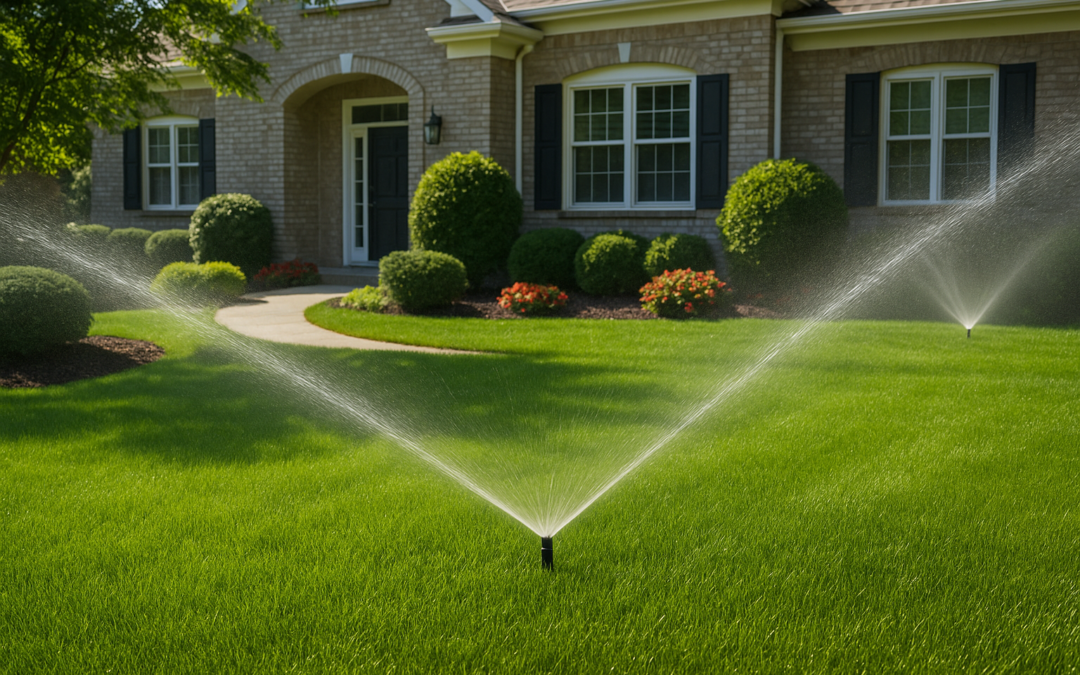
TL;DR: Irrigation water is not sewer water, it usually comes from your potable supply or a separate irrigation source and drains to soil or storm systems, but it can affect sewer charges and needs proper backflow protection in Mariemont, OH.
If you live in Mariemont, OH and you are wondering whether your sprinkler system is tied into the sewer, you are not alone. Most home irrigation systems use municipal water or a well, and that water is not treated as sewage. The important parts to know are where the water comes from and where the water goes after you water your lawn.
Where irrigation water typically comes from
Most residential irrigation systems in Greater Cincinnati and Northern Kentucky draw from the same potable water main that supplies the house. Some properties use a private well, and a few communities have reclaimed or irrigation-only supplies, but those are rare in small villages like Mariemont. Using potable water for irrigation is common, which is why backflow prevention is required.
If your system uses the potable supply, the water is clean when it leaves the meter. It becomes runoff or is absorbed by soil and plants, it does not turn into sewer just because it was used outdoors. Knowing the source helps you understand billing and safety requirements.
Where irrigation water ends up
When you irrigate, most of the water soaks into the ground or evaporates, and some runs off to lawns, gardens, driveways, or street drains. That runoff typically goes into stormwater drains, not the sanitary sewer system. Stormwater is handled separately because it does not go to a wastewater treatment plant.
You should avoid letting irrigation directly enter sanitary sewer cleanouts or interior drains. That is an improper connection, and local codes prohibit sending outdoor water into the sanitary sewer system.
Backflow prevention and safety
Backflow preventers are essential for any irrigation hookup to a potable supply. They stop contaminated water from being drawn back into your home or the municipal system during pressure changes. In Mariemont, OH, and across Hamilton County, backflow devices are often required by code and by water suppliers.
A licensed irrigation contractor can install and test the backflow device, and keeping that device maintained protects both your family and the public water supply.
How irrigation can affect your sewer bill
Many municipal sewer charges are based on the volume of water recorded by your water meter. If your irrigation uses the same meter, that extra water can increase your sewer bill. Some municipalities offer a separate irrigation meter or allow deductions, but policies vary, so check with the Village of Mariemont utility office for specifics.
If you are seeing higher sewer charges during the growing season, tracking meter reads and talking to the utility can clarify whether irrigation is the cause and what options exist.
Practical steps for Mariemont homeowners
Reduce unnecessary runoff by tuning heads, using smart controllers, and watering during cooler times of day. Consider a separate irrigation meter or a rain sensor to avoid watering when it is wet. Regular inspections of the system, including the backflow device, keep everything compliant and efficient.
If you want help setting up or evaluating an irrigation system in Mariemont, OH, a local licensed contractor can assess your source, install required backflow protection, and optimize the system for lower water use. Contact Straight Line Landscaping today at (513) 702-1543 or visit straightlinelandscapingcincinnati.com