
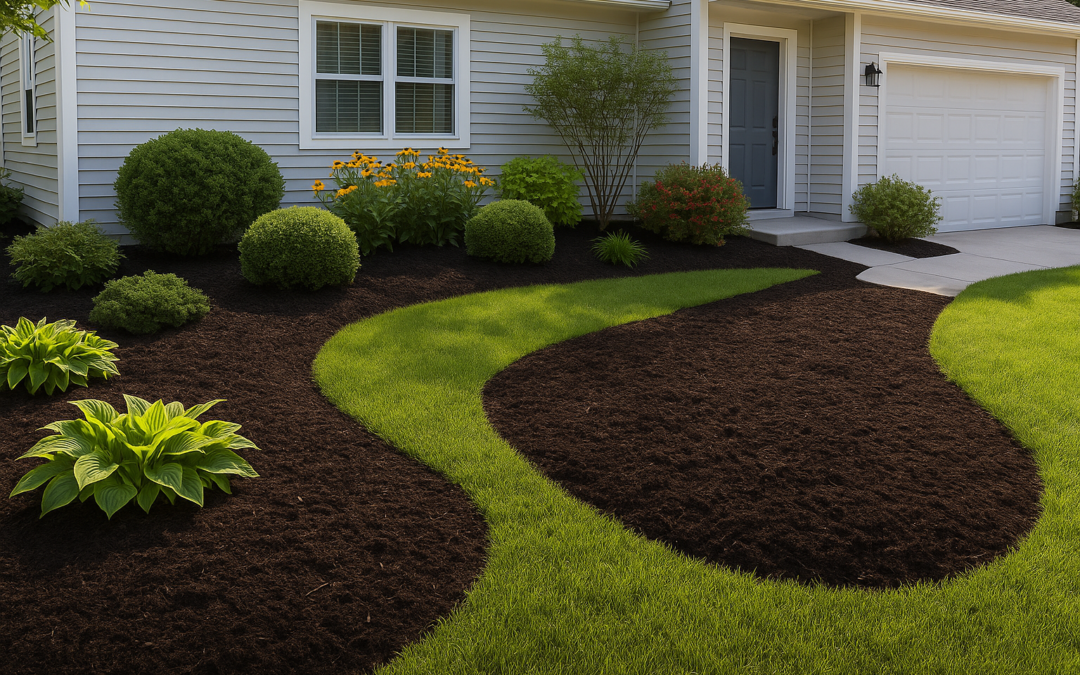
TL;DR: Mulch is great, but it can cause problems like root rot, pests, nutrient issues, extra upkeep, and hidden diseases if not chosen and installed properly for Northern Kentucky yards.
Mulch is a staple in Greater Cincinnati and Northern Kentucky landscapes, but it is not without downsides. Knowing the common pitfalls helps you get the benefits without creating new headaches.
Over-mulching can suffocate roots and cause root rot
Putting down too much mulch, or piling it against trunks and stems, keeps moisture trapped against roots and bark. In our humid Northern Kentucky climate that can lead to root rot and weakened plants.
Thick mulch layers prevent air exchange in the soil, so roots can drown in otherwise healthy beds. A thin, even layer is usually enough, and proper clearance around stems prevents moisture problems.
Mulch can attract pests and rodents
Organic mulches like wood chips and bark provide cover and nesting material for voles, mice, and other rodents. Those critters may chew bark, feed on bulbs, or create tunnels under the mulch that damage roots.
Mulch also creates habitat for slugs and some insects that feed on seedlings and soft-stemmed plants. Keeping mulch a few inches away from structure foundations and trunks reduces the chance of pest problems.
Fresh wood mulch can tie up nitrogen and slow growth
When fresh, high carbon mulches decompose they can temporarily tie up nitrogen in the soil, making less available to plants. Young lawns and nitrogen-hungry plants may show yellowing or stunted growth as a result.
Aged or composted mulch is less likely to cause that issue, and mixing in a fertilizer or compost can offset temporary nutrient drawdown. Knowing the type of mulch you use helps you plan for plant nutrition in Northern Kentucky soils.
Mulch requires regular replacement and maintenance
Mulch breaks down over time, especially in wet climates like ours, so beds need topping up every year or two to keep that neat, protective layer. That means ongoing cost and some labor, whether you do it yourself or hire mulching services.
If mulch is left to pile up or become compacted, it loses usefulness and can look messy. A maintenance plan keeps beds healthy and saves money long term by preventing plant failure.
Mulch can hide problems and encourage fungal growth
A deep blanket of mulch can conceal issues like soil erosion, pests, or disease until they are advanced. It also creates a cool, moist environment where fungal pathogens and molds thrive in humid seasons here.
Keeping mulch depth moderate and inspecting beds regularly helps catch problems early. Using well-aged, disease-free mulch lowers the chance of introducing pathogens to your landscape.
Contact Straight Line Landscaping today at (513) 702-1543 or visit straightlinelandscapingcincinnati.com