
The three hardscape upgrades that solve the most problems in Batavia yards
If you want your outdoor space to be easier to use, easier to maintain, and better looking year-round, three upgrades do most of the heavy lifting: retaining walls, paver patios, and walkways. Each one adds structure to the yard in a different way, and each can solve a specific set of problems we see throughout Batavia and the surrounding communities we serve. When the layout is planned correctly, hardscaping doesn’t just decorate your landscape, it makes the entire property work better.
When a retaining wall is the right move
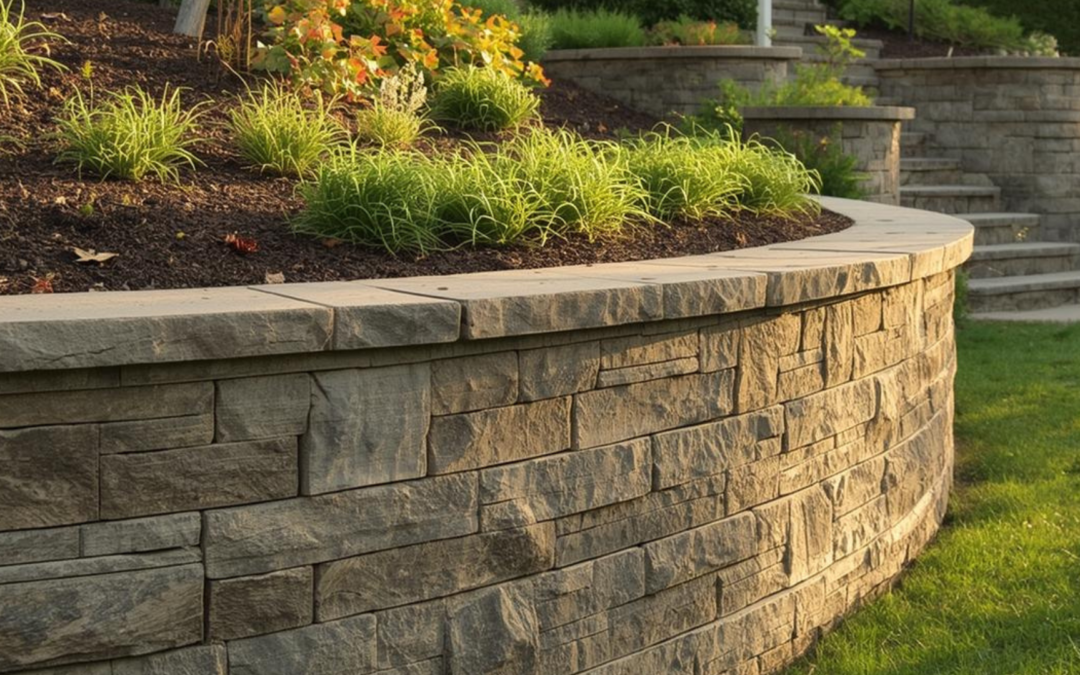
Retaining walls are the answer when you’re fighting slope, washout, or unusable space. If parts of your yard feel like they’re sliding, sinking, or constantly eroding after rain, a properly built retaining wall can stabilize the grade and create level areas you can actually use. Retaining walls also help define beds, manage elevation changes, and protect driveways or patios that sit near a slope.
In neighborhoods where the terrain changes quickly, we often build retaining walls as the foundation of the entire outdoor plan. Done right, it’s not just about stacking block. It’s about drainage, base preparation, and long-term stability through seasonal weather swings.
Signs your yard needs a paver patio instead of just grass
A paver patio is the best choice when you want a durable, usable outdoor living area that stays put and looks intentional. If your backyard seating area turns into a muddy spot every spring, or you avoid hosting because there’s no stable place for tables and chairs, that’s your sign. Patios also reduce wear on the lawn, keep foot traffic from creating ruts, and give you a dedicated zone for grilling, dining, or relaxing.
We build patios that fit how you live, whether that’s a simple space that feels clean and functional or a larger layout that can integrate seating walls, fire features, and transitions into walkways. Hardscape work like paver patios and seating walls is part of what we do in Batavia and throughout the Greater Cincinnati and Northern Kentucky area.
Why a walkway is often the upgrade homeowners overlook
Walkways don’t always feel exciting until you live with a good one. If you’re walking across uneven ground, stepping around beds, or cutting across the lawn to get from the driveway to the front door, a walkway solves it. A well-built walkway improves safety, reduces lawn damage, and makes your landscape feel organized.
Walkways are also the easiest way to connect outdoor spaces so your patio, driveway, side gate, and entry all flow together. In wet seasons, a walkway can keep you out of soft spots and help control where water moves.
How to decide which project comes first
If you’re not sure what to build first, use this order: stability, function, then finish.
Stability comes first because if a slope is eroding, you want a retaining wall and drainage planning in place before you build anything that depends on that grade staying stable. Function comes next because if you need usable space, adding a patio or defined living area creates the daily-use zone that changes how you use your yard. Finish comes last because walkways, bed edges, and detail features are what tie the space together and make it feel complete.
This sequence matters because it prevents rework. It also helps the final result feel cohesive instead of piecemeal.
What professional hardscape construction actually includes
Hardscape construction is more than placing stone. It includes planning the layout, excavating, building the base, ensuring proper drainage, setting materials correctly, and finishing joints and edges. Our hardscape construction work includes features like retaining walls, fire pits, water features, ponds, and decks or patios, depending on the project goals.
When homeowners search “hardscaping company near me” or “hardscape contractors near me,” what they’re really trying to avoid is shifting pavers, leaning walls, and drainage problems. The right build process prevents those issues by building from the ground up with correct compaction, grading, and water management.
How we match hardscape design to the rest of your landscape
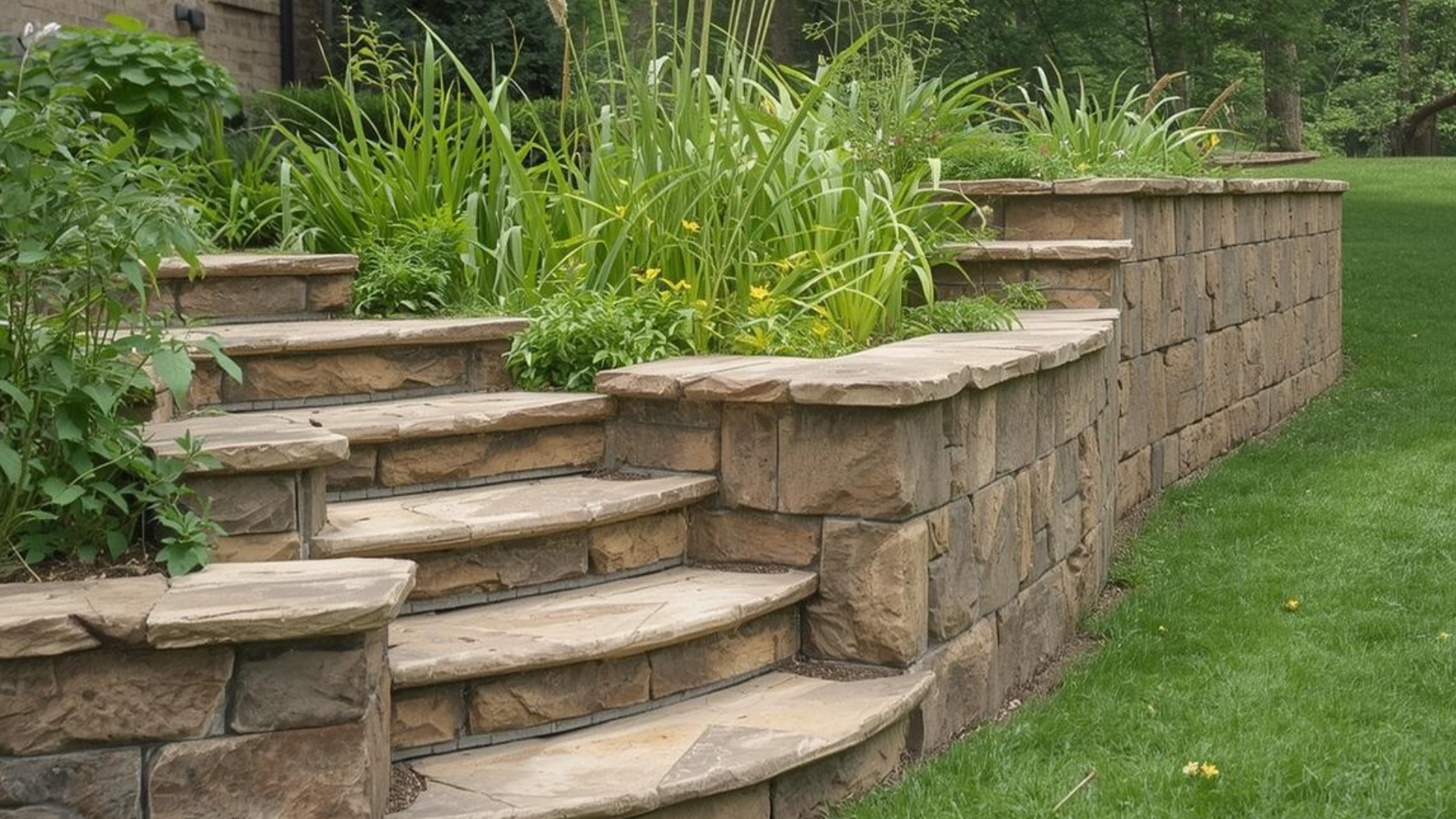
Hardscaping should look like it belongs on your property. That means we consider grades, sightlines, entry points, and how you actually move around the yard. It also means your hardscape should complement your plantings and overall landscape style, not compete with it.
If you already have landscape beds you like, we design around them so the hardscape improves flow and function without wiping out what’s working. If the yard needs a reset, we can build the structure first and then plan landscape installation to finish the look so the final result feels intentional.
Outdoor living features that pair naturally with patios and walls
Once the main structure is in place, there are a few add-ons that give you more use out of the space without overcomplicating the design. Fire pits are a strong choice for extending the season and creating a central gathering point. Seating walls add clean-looking, practical seating that doesn’t require moving furniture and helps define the patio footprint. Water features or ponds work well when you want a focal point and a calmer feel in the yard. Deck and patio builds or upgrades can also be a great fit when you want elevation changes, shade structures, or a larger entertainment area that connects to the home.
Batavia-specific considerations drainage slopes and traffic patterns
Batavia properties often include a mix of open lawn, tree cover, and changing grades. That combination makes drainage and base prep non-negotiable. Hardscapes must handle heavy rain, freeze-thaw cycles, and the wear that comes from real life, including kids, pets, gatherings, and deliveries.
If you’ve ever walked past the Tri-State Warbird Museum, you’ve seen how clean, structured spaces guide visitors through a property. That same idea applies at home. Hardscape features create clear paths and stable surfaces even when the weather changes. And if you spend time near the Clermont County Courthouse area, you’ve seen how durable masonry and stonework hold up when they’re built correctly and maintained over time.
What to expect when you hire our team for hardscaping
We keep the process straightforward. We start by understanding what you want the yard to do, then we evaluate layout, grade, and constraints. From there, we recommend the best build approach and schedule the work around the scope. Our goal is quality results and a finished space that functions the way it should. The website also reflects our commitment to safe practices and that we are fully licensed and insured.
How to get a clean finished look without overbuilding
A hardscape doesn’t have to be massive to be effective. Often the best results come from a correctly sized patio that fits your furniture and traffic flow, a walkway that eliminates lawn damage and improves safety, and a retaining wall only where it’s needed to stabilize and level space.
If you want a yard that feels done, not busy, this approach gets you there by focusing on structure and function first, then adding only the features that support how you actually use the space.
FAQs
Should I install a retaining wall before building a patio?
If the slope or erosion affects the patio area, yes. Stabilizing grade and drainage first helps prevent shifting and long-term problems.
What’s the difference between hardscaping and landscaping?
Hardscaping is the non-living structure such as patios, walkways, retaining walls, and fire features. Landscaping is the living portion such as plants, lawn, beds, and ongoing maintenance.
Can a walkway help with muddy areas near my entry or side gate?
Yes. A properly designed walkway creates a stable surface and reduces foot traffic damage in soft spots.
How do I know if my patio area needs drainage planning?
If water pools, the ground stays soggy, or you see washout after rain, drainage should be part of the plan before materials go in.